Every player in the league. Every night of the season.
Long-form reports written the way the old pro hockey annuals were — the finesse game, the physical game, the mental game — with the analytics that used to live inside a front office sitting underneath each one. All 32 clubs get the same read, and every game gets one before it is played.
Every figure here was computed from the league's own record. None of it was remembered, and where the record stops, this site says so instead of guessing.
750 reports in this edition ·
Start here
All 750 players →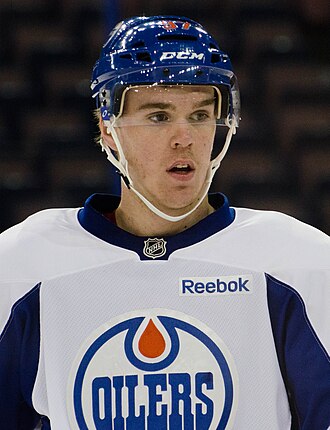
Connor McDavid
#97C · Edmonton Oilers
The fastest player in the league is also its most patient one; the danger is not the speed itself but what he does at the end of it.
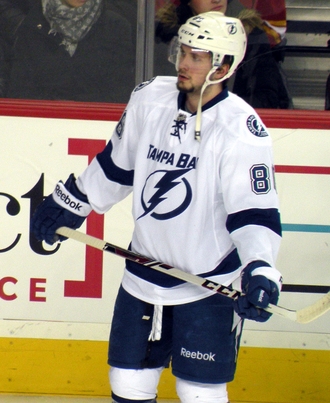
Nikita Kucherov
#86RW · Tampa Bay Lightning
130 points at 33, and 1,124 in his career.

Nathan MacKinnon
#29C · Colorado Avalanche
The fastest hard skater in hockey, still adding points at 30, and the engine of everything this team does.
What is in a report
Every player gets a bio block, the numbers, and then the same four questions asked in plain language.
Last Season
What the numbers actually were, and what they hide. The stat line is the start of the argument, not the end of it.
The Finesse Game
Skating, hands, vision, the shot. What a player can do with the puck, and what he reaches for when the play breaks down.
The Physical Game
Size, strength, whether he hits, whether he can be moved off a puck, and how well the body is holding up.
The Intangibles
Temperament and honest criticism. Where a player is trending, and the thing about him nobody wants to say out loud.
What this site will not tell you
There is no scouting report before 2021-22 and there never will be. Nobody here watched those men play, and a read assembled from a stat line is a guess wearing a suit.
The league had no tracking chips in its pucks or on its players before 2021-22, which is also the first season this site can put ten named skaters on the ice for a given shot. Both halves of that sentence matter, and the second one is ours: everything measured here is reconstructed from shift charts and event coordinates — where a shot was taken from, and who was on the ice when it was taken.
The tracking feed is the league's, and no page here shows it. So a report can tell you what happened around a player and cannot tell you how fast he skated. Where one calls a man a good skater, that is a reading rather than a measurement — the largest thing in the book asserted without evidence.
That is half-fixed rather than fixed. The league's tracking record for every season it covers is now in this repository, ranked against this site's own population rather than shipped as the league's own percentile, and it sits in front of the writing from here on. Every report you can read today was written before it arrived, and not one of them has been changed to match.
The numbers reach much further back — the league's counting record starts in 1917-18, and this site has measured all 108 seasons of it. But numbers and readings are kept apart on purpose, and the record does not begin everywhere at once:
- 1959-60 shots on goal first counted
- 1977-78 times shorthanded first counted
- 2009-10 goals scored four-on-four first counted
A question that lands before one of those dates gets the date as its answer, not a plausible one.
The whole record, and where the model loses →Measured, not remembered
- Seasons measured
- 108
- Team-seasons
- 1,759
- Reports in the archive
- 3,627
- Editions
- 5
The league's eras were found by the data rather than assumed from the rule book — and when they were tested against the rule book, they failed the test. That result is published too.
Clubs covered
All 32 of them in the 2026-27 edition, each with a written read on its even strength, its special teams and its goaltending.
The archive
3,627 reports across 5 editions, and nothing gets overwritten. Each season is its own edition, so you can read what was said about a player three years ago and judge how it aged.
All 5 editions →